NCLEX-PN · Original practice · September 29, 2026
NCLEX-PN Respiratory Care: When to Escalate a Breathing Change
The practical nurse may notice a deterioration first during an ordinary care activity. Respiratory change is a good example: a person who now struggles to speak or breathe needs more than a note for the next round. Study the observable cues, respond within role and use the team's emergency process.
The official NCSBN 2026 test plans describe the client-needs framework. This independent guide offers original teaching examples, not official or recalled exam items, diagnosis or treatment instructions.
What observable cues should be collected?
Compare the current ability to speak and breathe with the earlier report. Note visible work of breathing, positioning, color, distress and the available vital-sign trend. Report what you see instead of attaching an unsupported diagnosis. If a measurement seems inconsistent with the person's appearance, repeat or verify it without postponing help when the person looks acutely unwell.
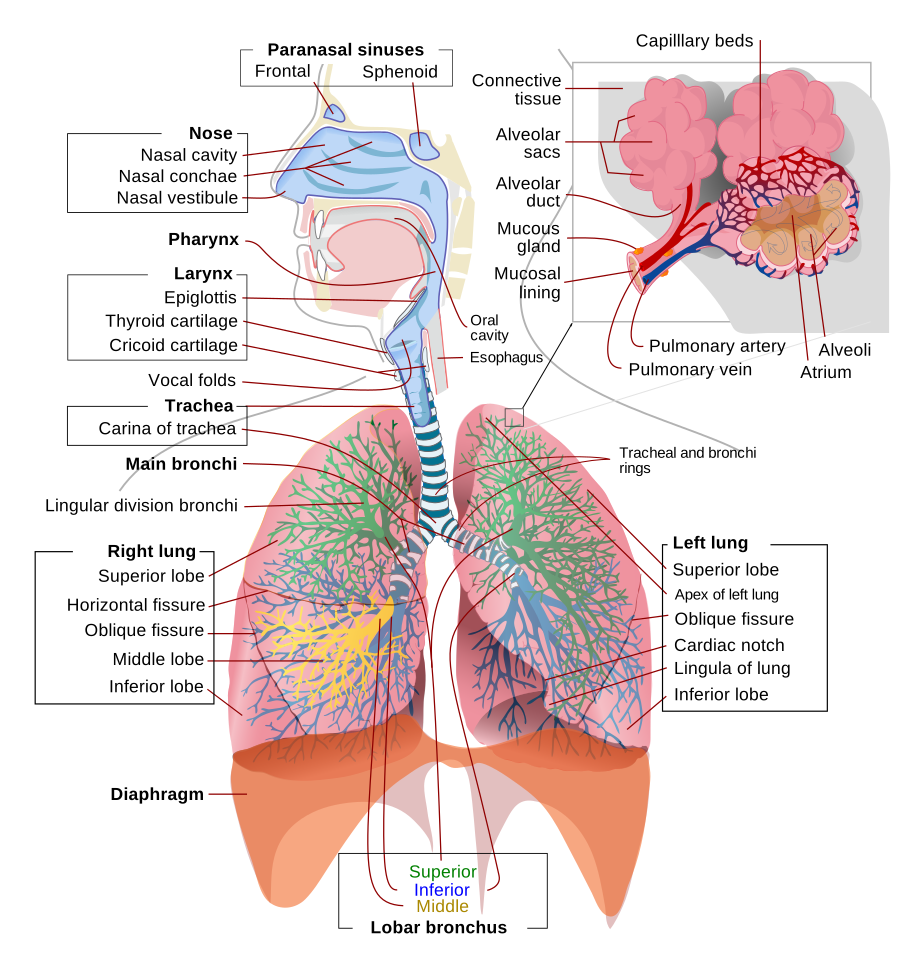
What the airway diagram shows
This labeled diagram traces the upper and lower respiratory structures and helps orient a student to airflow. It does not depict the patient in the example, determine severity or tell you which device setting to use. Questions about new breathing difficulty are decided from the patient's condition and the individualized care plan, not a generic image.
What is the PN's immediate role?
Attend to the person, seek immediate help under the facility's process and communicate the new findings to the RN or designated responder. Follow orders and existing protocols appropriate to your role. Do not decide that an acute change is routine because the chart lists a chronic pulmonary diagnosis. Scope varies; in a real setting, local rules govern actions.
How do you avoid overreading a number?
A pulse-oximeter reading is useful when interpreted alongside work of breathing and baseline, but it can be affected by the measurement itself. A client who cannot speak in full sentences deserves urgent attention even if a number is not yet available. Conversely, avoid treating one out-of-context value as a complete diagnosis.
Free original example · NCLEX-PN
Try the question
A PN assists a client who was resting comfortably 20 minutes ago. The client now pauses after each word, leans forward and appears breathless. What should the PN do?
- Finish routine bedding first
- Stay with the client, seek immediate help and communicate the change
- Assume the client is anxious without checking
- Wait to report it at the scheduled handoff
Answer: B
New difficulty speaking with visibly increased work of breathing warrants immediate attention and team escalation. Routine care and assumptions about the cause should not delay response.
This article question is separate from the paid workbooks and the existing question bank.
Common questions
Can a PN recognize a breathing emergency?
Yes. Recognizing and promptly communicating an acute change is essential; specific interventions follow local scope, orders and policy.
Is this a real exam question?
No. This is an independent teaching example, not a recalled or official exam item.
Keep studying
Read the RN respiratory assessment article to compare the roles, then return to PN free practice.
Educational study content only. Local policy and jurisdiction determine real clinical practice. NCLEX® is a registered trademark of NCSBN; NCLEXVault is independent and not endorsed by NCSBN.