NCLEX-PN · Original practice · September 29, 2026
NCLEX-PN Urine Output Questions: Verify and Report a Trend
A change in measured output can be a useful warning sign, but it is not a diagnosis by itself. For PN practice, the key decisions are whether the measurement is accurate, how the trend compares with baseline and when to communicate the change to the RN or prescriber according to the care plan.
The official NCSBN 2026 test plans describe the client-needs framework. This independent guide offers original teaching examples, not official or recalled exam items, diagnosis or treatment instructions.
How do you identify a meaningful trend?
Check how much output was measured over each interval and how it was collected. Confirm that the record is complete and that a collection device has not been overlooked or obstructed. Compare the entries over time rather than focusing on one value. Add observable symptoms and relevant vital signs to the report without guessing a cause.
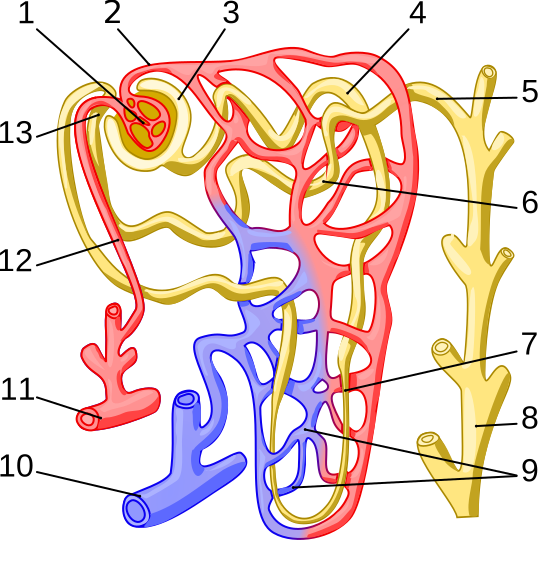
What the nephron image represents
The labeled nephron illustrates a kidney's filtering unit and the pathway of filtrate. It can support a conversation about why circulation and renal function matter for output. It is not an image of the client, proof of a diagnosis or a reference for adjusting the person's fluids.
When should the PN report a finding?
A sustained or substantial deviation from the patient's earlier output, particularly with other new symptoms, calls for timely verification and communication using local policy. Report the time, volumes, collection method and associated observations. The PN should not independently change ordered fluid restrictions or medications on the basis of a simplified example.
How do you answer an exam scenario?
Look for the safest available sequence: verify what was measured, assess the client within role and report the concerning change. Reject options that dismiss the trend, delay the report or prescribe a new treatment without authority. In actual care, follow the team plan and jurisdiction-specific scope.
Free original example · NCLEX-PN
Try the question
A PN notes that a client's documented urine output has declined on two consecutive checks, and the client newly reports dizziness. Which action is best?
- Ignore the record until tomorrow
- Verify the measurements and promptly inform the RN of the trend and symptoms
- Independently change the ordered fluid plan
- Remove the documented output values
Answer: B
Confirm the measurements and communicate the new trend with associated dizziness promptly. An independent fluid-plan change is not supported by the information or by this role description.
This article question is separate from the paid workbooks and the existing question bank.
Common questions
Does reduced urine output always mean dehydration?
No. There are multiple possible causes; a change needs assessment in its clinical context.
Should I wait for a critical lab result to report a concerning trend?
No. Communicate a meaningful change promptly according to the care plan and local escalation rules.
Keep studying
Compare the RN renal guide to see how interpretation and overall clinical responsibility are framed.
Educational study content only. Local policy and jurisdiction determine real clinical practice. NCLEX® is a registered trademark of NCSBN; NCLEXVault is independent and not endorsed by NCSBN.