
NCLEXVault / Nurseclex2026
“Practice smarter. Walk in ready.”
NCLEX-RN 2026 · Question Pack
2026 study edition
The Full RN
Question Pack
Original NCLEX-style study resource
Think like a nurse. Answer with confidence.
TEAS 7, HESI A2, nursing-school foundations, Exit-style review, NCLEX-RN and PN practice, Next Gen cases and printable 2026 study books—organized in one study path.
Write the exact name in full of the material you're looking for.
Sign up free to access all original materials on your dashboard
Search any topic, save your progress and study from one dashboard. One subscription unlocks every material.
NCLEX case-study video lessons — unlimited explanations, rationales and exam tips included with Pro.Study resources
Every rationale builds the judgment the exam measures.
Built around the official NCSBN test plan. Each edition drills the most tested areas across the NCLEX-RN and NCLEX-PN requirements — the questions are written to help you pass and excel.
“Practice smarter. Walk in ready.”
NCLEX-RN 2026 · Question Pack
2026 study edition
The Full RN
Question Pack
Original NCLEX-style study resource

“Think like a nurse. Answer with confidence.”
NCLEX-RN 2026 · 59 pages
2026 study edition
Clinical Judgment
Study Workbook
Original NCLEX-style study resource

“Made for PN candidates. Safe care, step by step.”
NCLEX-PN 2026 · 32 pages
2026 study edition
Safe Care &
Clinical Judgment
Original NCLEX-style study resource

“Every NCLEX track. One complete pack.”
NCLEX 2026 · 72 pages
2026 study edition
RN + PN Study
Collection
Original NCLEX-style study resource

“Study daily. Track progress. Go in prepared.”
Pro · Interactive study
Updated for the 2026 test plan
Pro Study
Dashboard
Original NCLEX-style study resource
Your free study workspace
Practice original NCLEX-style materials and nursing test banks arranged for your level. Your account saves progress and prepares unseen questions from the shared study library before repeating material.
Work through advanced case cues, changing vital signs, laboratory trends, select-all-that-apply decisions, and illustrated assessment findings—then open each rationale to compare your priority.
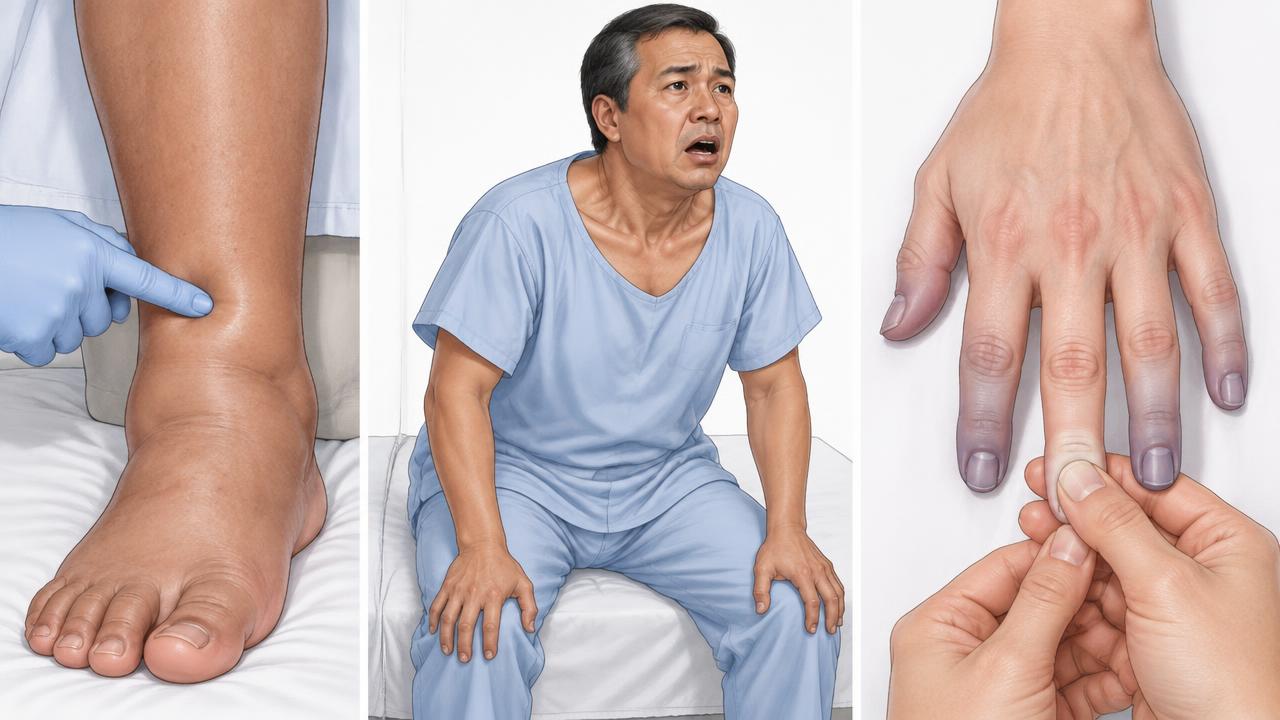
A 68-year-old with COPD and heart failure is sitting upright and leaning forward. RR 34/min with suprasternal retractions, SpO₂ 84% on 2 L/min nasal cannula, HR 118/min, BP 168/92 mm Hg. Breath sounds reveal diffuse crackles with diminished bases. The client can speak only two words at a time and has new confusion.
Which action should the nurse take first?
Answer: Increase oxygen according to the emergency protocol and position the client upright.
Severe hypoxemia, inability to speak, retractions, and acute confusion indicate immediate respiratory compromise. Support oxygenation and ventilation first while escalating care. Medication history and coached breathing may follow stabilization; supine positioning and a fluid bolus can worsen pulmonary congestion.
Study tip: When several cues point to failing oxygenation, intervene for airway and breathing before completing routine assessment tasks.
A client receiving treatment for pyelonephritis becomes restless. Temperature rises from 38.1°C to 39.2°C (100.6°F to 102.6°F), HR from 104 to 126/min, RR from 20 to 30/min, BP falls from 112/68 to 88/52 mm Hg, urine output is 15 mL in the last hour, and lactate is 4.1 mmol/L.
Which actions should the nurse take immediately? (Select all that apply.)
Answer: Escalate care, obtain cultures, begin isotonic fluid resuscitation, and trend perfusion and urine output.
Hypotension, oliguria, tachypnea, altered mentation, and lactate above 4 mmol/L indicate sepsis with impaired perfusion. Cultures should be collected promptly without delaying prescribed broad-spectrum antibiotics. Fluids and frequent perfusion reassessment are time-sensitive; fever is not a reason to delay treatment.
Study tip: Read vital signs as a trend. Falling pressure plus altered mentation, oliguria, and elevated lactate signals shock even before a diagnosis is stated.
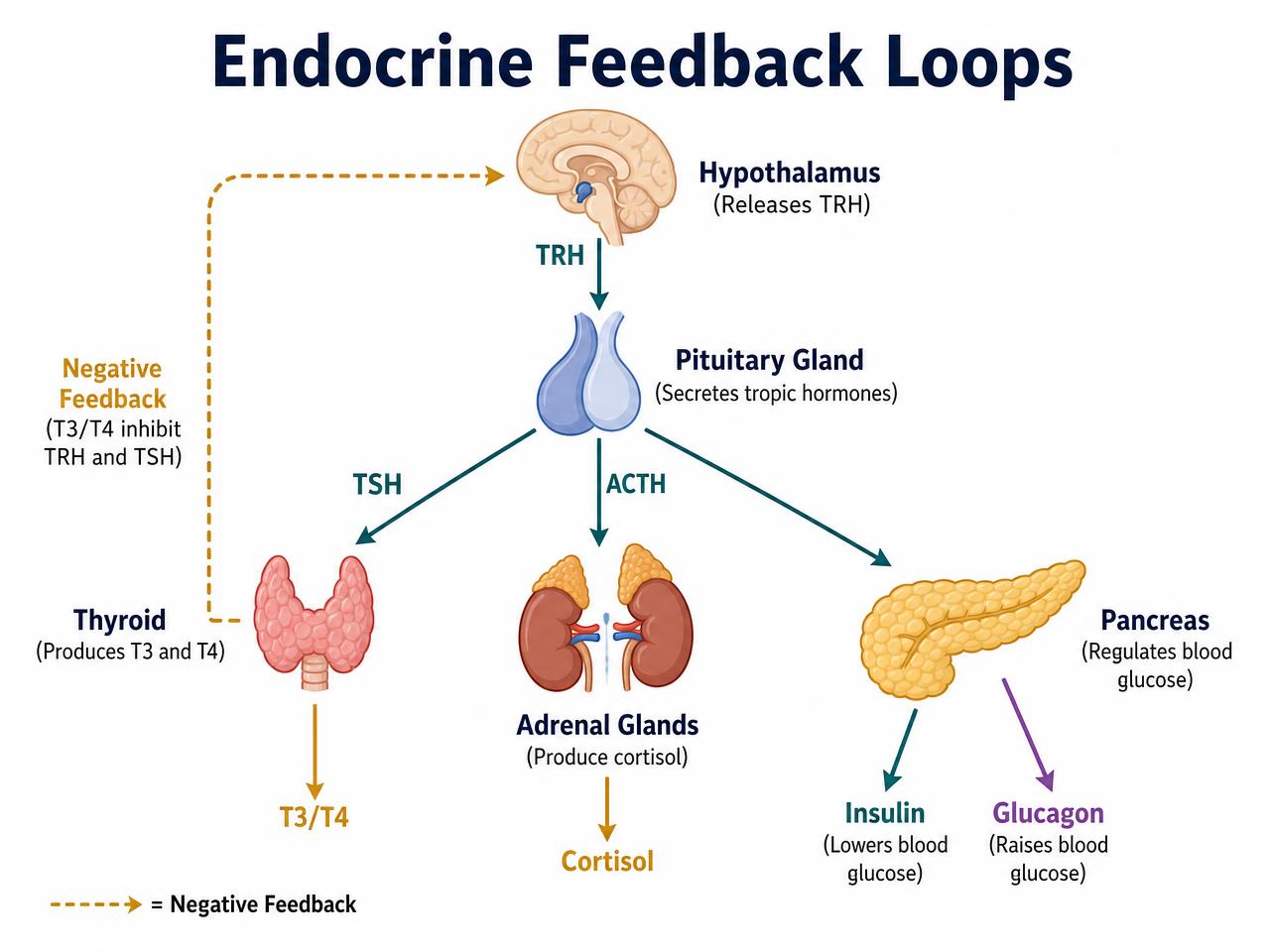
A client with diabetic ketoacidosis is receiving regular insulin by infusion and 0.9% sodium chloride. Current results: glucose 198 mg/dL, potassium 3.2 mEq/L, bicarbonate 14 mEq/L, anion gap 18, pH 7.24. The client is awake; urine output is 45 mL/hr.
Which prescription should the nurse question?
Answer: Discontinue the insulin infusion because glucose is below 200 mg/dL.
The glucose has improved, but acidosis and the elevated anion gap have not resolved. Dextrose is added so insulin can continue clearing ketones. Potassium of 3.2 mEq/L requires replacement and may require a temporary insulin pause because insulin shifts potassium intracellularly.
Study tip: In DKA, glucose normalizes before ketoacidosis. Follow the anion gap and bicarbonate, not glucose alone, when deciding whether insulin can stop.
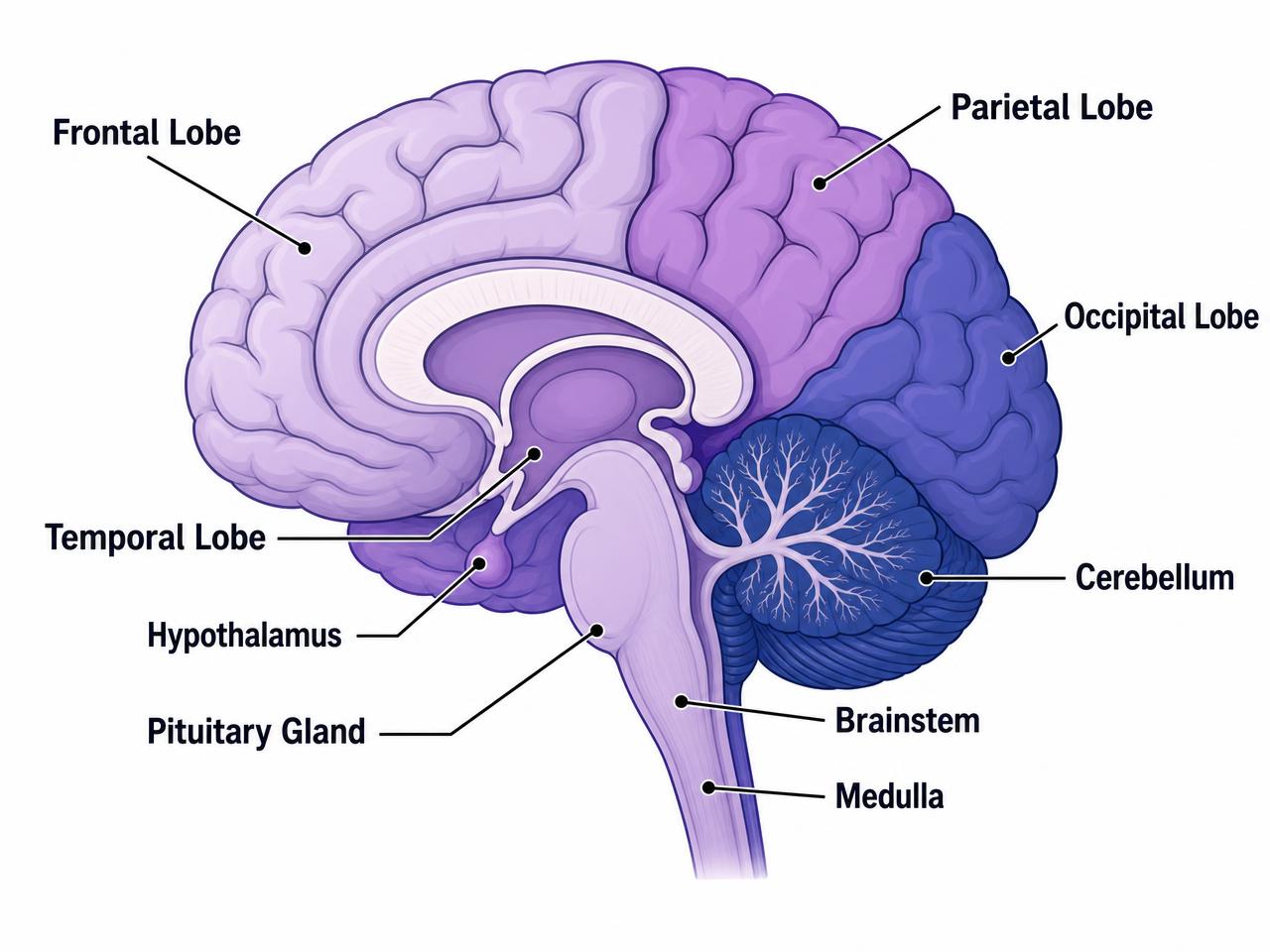
A 72-year-old developed right facial droop, aphasia, and right arm weakness while eating breakfast. The family reports the client was last known well at 0745. Point-of-care glucose is 102 mg/dL, BP 196/108 mm Hg, and noncontrast CT shows no hemorrhage.
Which actions are priorities while the team evaluates thrombolytic therapy? (Select all that apply.)
Answer: Confirm last-known-well time, keep NPO, manage blood pressure per protocol, and repeat neurologic and blood-pressure assessments.
Time of onset determines eligibility, dysphagia creates aspiration risk, and blood pressure must meet the treatment threshold before thrombolysis. Frequent reassessment detects deterioration. Aspirin is withheld until hemorrhage and thrombolytic decisions are addressed; the weak extremity requires supported positioning.
Study tip: For suspected stroke, protect time, airway, and eligibility: last known well, glucose, CT, swallow safety, and controlled blood pressure.
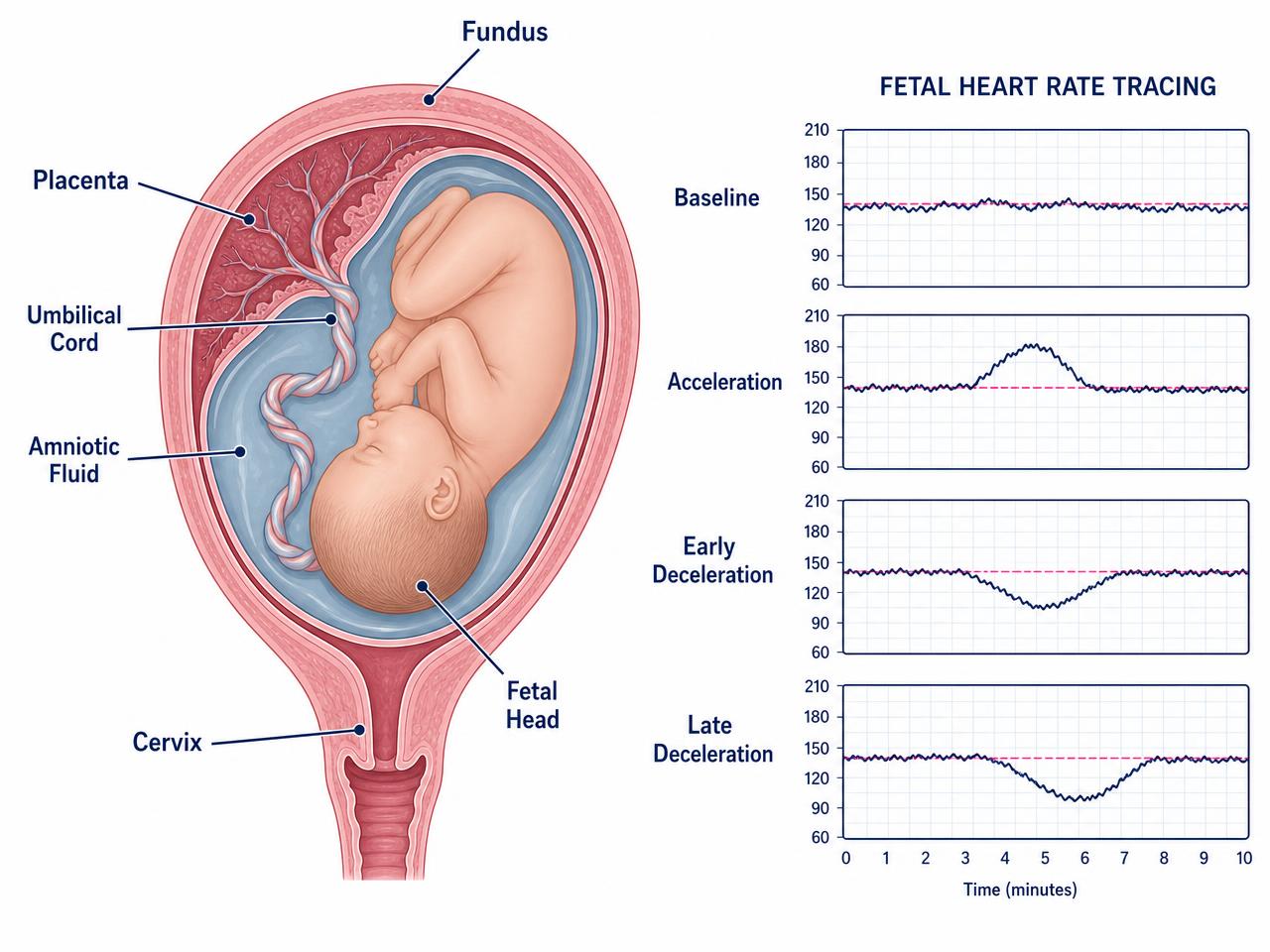
A client saturates a perineal pad in 15 minutes. The fundus is boggy, displaced above and to the right of the umbilicus. HR is 116/min, BP 94/58 mm Hg, and the client reports bladder pressure.
Which action should the nurse take first?
Answer: Massage the fundus while calling for assistance.
A boggy, displaced fundus with heavy bleeding suggests uterine atony worsened by bladder distention. Immediate fundal massage promotes contraction while help, bladder emptying, uterotonics, IV access, and hemorrhage protocols are initiated.
Study tip: Boggy fundus means atony: massage first. A fundus shifted right also points to a full bladder that must be emptied.
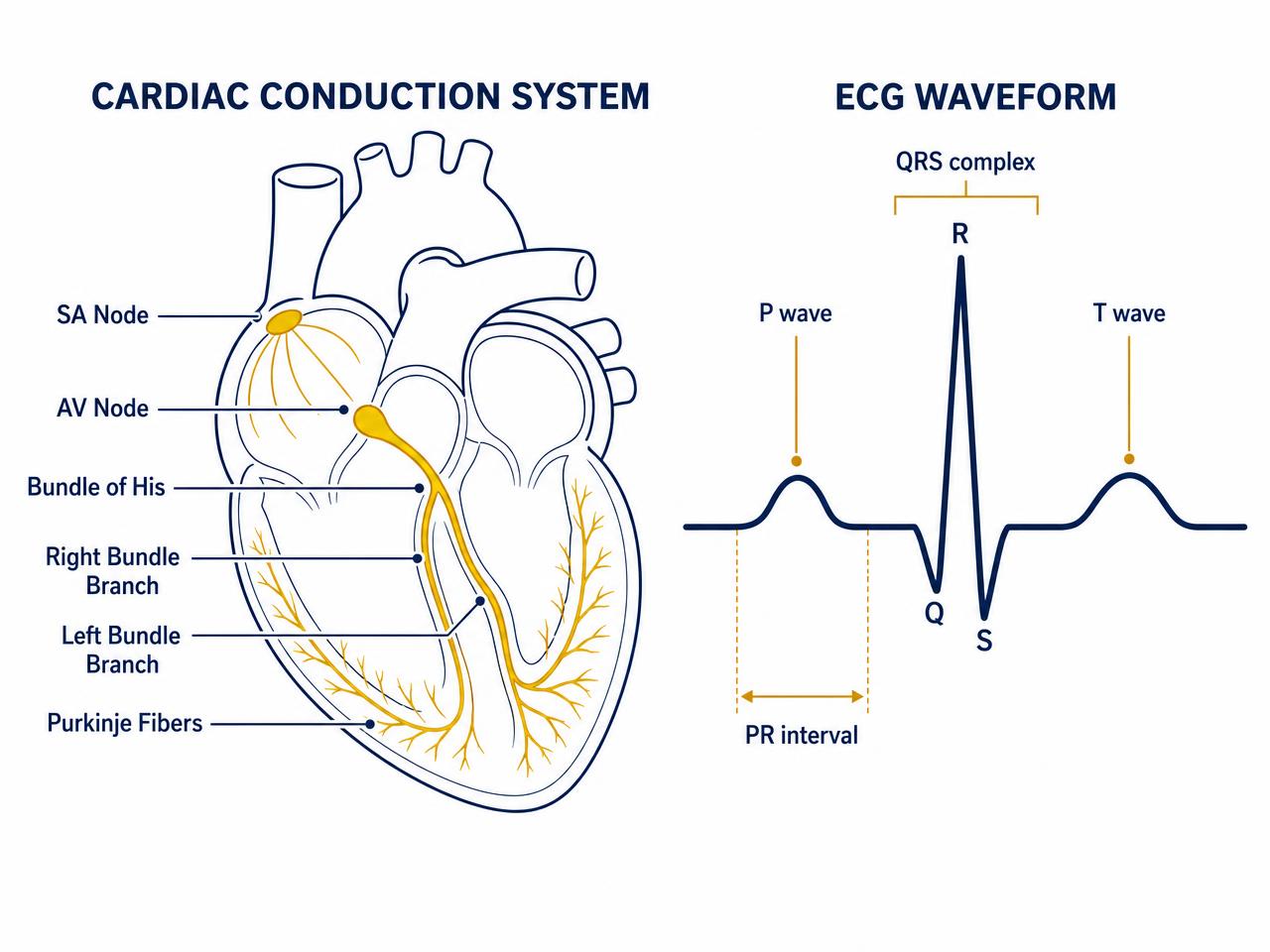
A client with acute kidney injury reports weakness and palpitations. Potassium is 6.7 mEq/L, creatinine 4.2 mg/dL, and the cardiac monitor shows tall peaked T waves with a widening QRS complex.
Which interventions should the nurse anticipate? (Select all that apply.)
Answer: Continuous monitoring, IV calcium, insulin with dextrose, and preparation for potassium removal.
ECG changes make this a cardiac emergency. Calcium stabilizes the myocardium, insulin with dextrose shifts potassium into cells, and definitive removal may require a potassium binder, diuretic, or dialysis depending on kidney function and response.
Study tip: Treat hyperkalemia in three steps: protect the heart, shift potassium into cells, then remove potassium from the body.
The October 2026 question pack covers every Client Needs category for both the RN and the PN test plan, including Next Gen case studies, bow-tie, matrix, cloze and highlight items, each with the answer, a full rationale, and a study tip. One payment, yours to keep.
The PN exam leans on Coordinated Care, Basic Care and Comfort, and scope of practice. Try these, then read the PN test-plan guide.
The charge nurse is assigning clients on a medical unit. Which client is most appropriate to assign to the LPN/LVN?
Answer: The client with stable COPD receiving scheduled nebulizer treatments.
The LPN/LVN cares for clients whose condition is stable and whose outcomes are predictable. New-onset chest pain and the immediate post-thyroidectomy client are unstable and need registered-nurse assessment; initial teaching about a new device must be initiated by the RN, although the LPN/LVN may reinforce it afterwards.
Study tip: Stable + predictable = LPN. New, unstable, or first-time teaching = RN.
Which tasks may the LPN/LVN assign to unlicensed assistive personnel caring for stable clients? (Select all that apply.)
Answer: Vital signs, assisted ambulation, intake and output, and a bed bath.
Unlicensed assistive personnel may perform standard, unchanging tasks on stable clients. Reinforcing teaching requires a licensed nurse, and evaluating the effect of a medication is nursing judgement that cannot be assigned.
Study tip: If the task needs teaching, judgement, or evaluation, it cannot go to a UAP.
Before administering digoxin 0.125 mg orally to an older adult, which finding requires the LPN/LVN to hold the dose and notify the registered nurse?
Answer: Apical pulse of 52 beats per minute.
Digoxin slows conduction, and an apical rate below 60 beats per minute in an adult is the standard parameter for holding the dose and reporting. The blood pressure and potassium are within expected limits; a different-looking tablet should be verified but is not the priority hold parameter.
Study tip: Count the apical pulse for a full minute before every digoxin dose.
The October 2026 question pack covers every Client Needs category for both the RN and the PN test plan, including Next Gen case studies, bow-tie, matrix, cloze and highlight items, each with the answer, a full rationale, and a study tip. One payment, yours to keep.
Next Gen NCLEX bundles · explore the editions
Explore these topics and try Next Gen item types free today. You can request a separate focused study guide and pay only after its PDF is ready.
Every system guide · Testing matrices · All cheat sheets · RN and PN coverage
Explore topicPN scope of practice · Coordinated care · Safety and infection control · PN-style practice questions
Explore topicCourse study systems · Exit exam prep · Clinical rotation basics · Time management
Explore topicWeak-area analysis · Rebuilt study schedule · Test-anxiety strategies · Retake planning
Nursing students use NCLEXVault from semester one. Every RN course — Fundamentals, Health Assessment, Anatomy & Physiology, Microbiology, Pathophysiology, Pharmacology, Dosage Calculations, Med-Surg, Critical Care, Maternal-Newborn, Pediatrics, Mental Health, Community & Gerontology, and Leadership — maps to NCLEX-style lessons, notes, flashcards and practice questions. Pass your course exams and your ATI/HESI while you build the exact knowledge the NCLEX-RN tests.
The first course every nursing student takes — vitals, hygiene, mobility, documentation, safety, and the nursing process.
Year 1 · Semester 1Head-to-toe assessment, normal versus abnormal findings, heart and lung sounds, and neuro checks.
Year 1 · Semester 1Cells, tissues, skeletal and muscular systems, plus the cardiovascular foundations you will use for the next three years.
Year 1 · Semester 2Renal, GI, endocrine, nervous and reproductive systems — structure, function and regulation.
Year 1 · Semester 2Pathogens, chains of infection, immunity, antibiotics, and the isolation precautions you will use every clinical day.
Year 2 · Semester 1How disease processes unfold — inflammation, perfusion failure, oxygenation failure, and metabolic derangement.
Nurse-focused lessons, study notes, flashcards, and instant NCLEX quizzes — for 20 high-yield topics. Free users can preview, Pro unlocks the full dashboard.
Focused study paths built to the 2026 NCSBN test plan.
Delegation, infection control, safe medication administration, ergonomic principles, and coordinating care across the interprofessional team.
Growth and development across the lifespan, immunizations, prenatal and newborn care, self-care, and lifestyle counseling.
Coping, mental health disorders, grief, substance use, therapeutic communication, and cultural care.
Nutrition, hydration, elimination, mobility, sleep, hygiene, and non-pharmacologic comfort measures.
Medication administration, adverse effects, blood products, TPN, dosage calculation, and pain management.
Lab values, diagnostic tests, potential complications of procedures, and monitoring for changes in health status.
Managing acute, chronic, and life-threatening physical conditions across systems, plus hemodynamics and medical emergencies.
Prioritization, delegation, case management, informed consent, referrals, and quality improvement.
12 focused specialties — the way nursing schools organize NCLEX review.
Core nursing skills: ADLs, vitals, infection control, documentation, communication, and the nursing process.
Adult acute and chronic conditions across every system — cardiac, respiratory, GI, renal, endocrine, and more.
Growth and development, immunizations, and common pediatric acute and chronic conditions from infant to adolescent.
Antepartum, intrapartum, postpartum, high-risk pregnancy, newborn assessment, and lactation support.
Therapeutic communication, mood and anxiety disorders, psychotic disorders, substance use, and crisis intervention.
High-yield drug classes, adverse effects, interactions, dosage calculation, and safe medication administration.
Population health, epidemiology, health promotion, home health, and disaster preparedness.
Prioritization, delegation to LPN and AP, conflict resolution, quality improvement, and legal/ethical practice.
Shock, ventilators, ACLS rhythms, hemodynamic monitoring, sepsis, trauma, and mass-casualty triage.
Age-related changes, polypharmacy, falls prevention, dementia care, and end-of-life considerations.
Critical lab ranges, ABG interpretation, ECG basics, imaging prep, and reportable abnormal findings.
Unfolding case studies, bow-tie, matrix, cloze, highlight, and drag-and-drop items unique to the current NCLEX.
Written by nurse educators around the official NCLEX requirements — designed to help you pass and excel.
Work through independent NCLEX-style scenarios with explanations. No recalled or actual exam items are offered.
Why the right answer is right, why each distractor is wrong, and the NCLEX takeaway — written like a nurse educator, not an answer key.
Written by nurse educators around the official NCSBN test plan, designed to help you pass and excel on the NCLEX.
Every edition and quiz drills the areas the NCLEX requirements test most — prioritization, safety, pharmacology, and clinical judgment.
Every topic asked on the exam has a concise study note, a spaced-repetition deck, and an adaptive mini-quiz.
RN, PN and combined 2026 study editions you can print, annotate and keep.
Create your free workspace: practice questions, rationales, flashcards and quizzes. No credit card.
Save progress and unlock every lesson.
Already have an account? Sign in
NCLEXVault is an independent study resource. NCLEX® is a registered trademark of NCSBN, which does not endorse this site. Realistic NCLEX-style questions covering all exam areas, built on the current NCSBN test plan to prepare you for exam day.
NCLEX Exam Simulation · RN and PN
An exam-day style simulation across every test plan section: 85 to 150 questions, ending early when you score 90% or more. Plus a shorter adaptive CAT. See your score, every missed question and your weak areas afterwards.


